Rheede, Hortus Malabaricus
Volume II, pages 93–94, plate 48: the earliest locked botanical-historical anchor.
Independent botanical research · Australia
Advancing Science, Rooted in Nature
AAIRC brings together botanical identity, historical records, traditional knowledge, phytochemistry, safety, propagation and cultivation within one transparent evidence framework.
Species focus
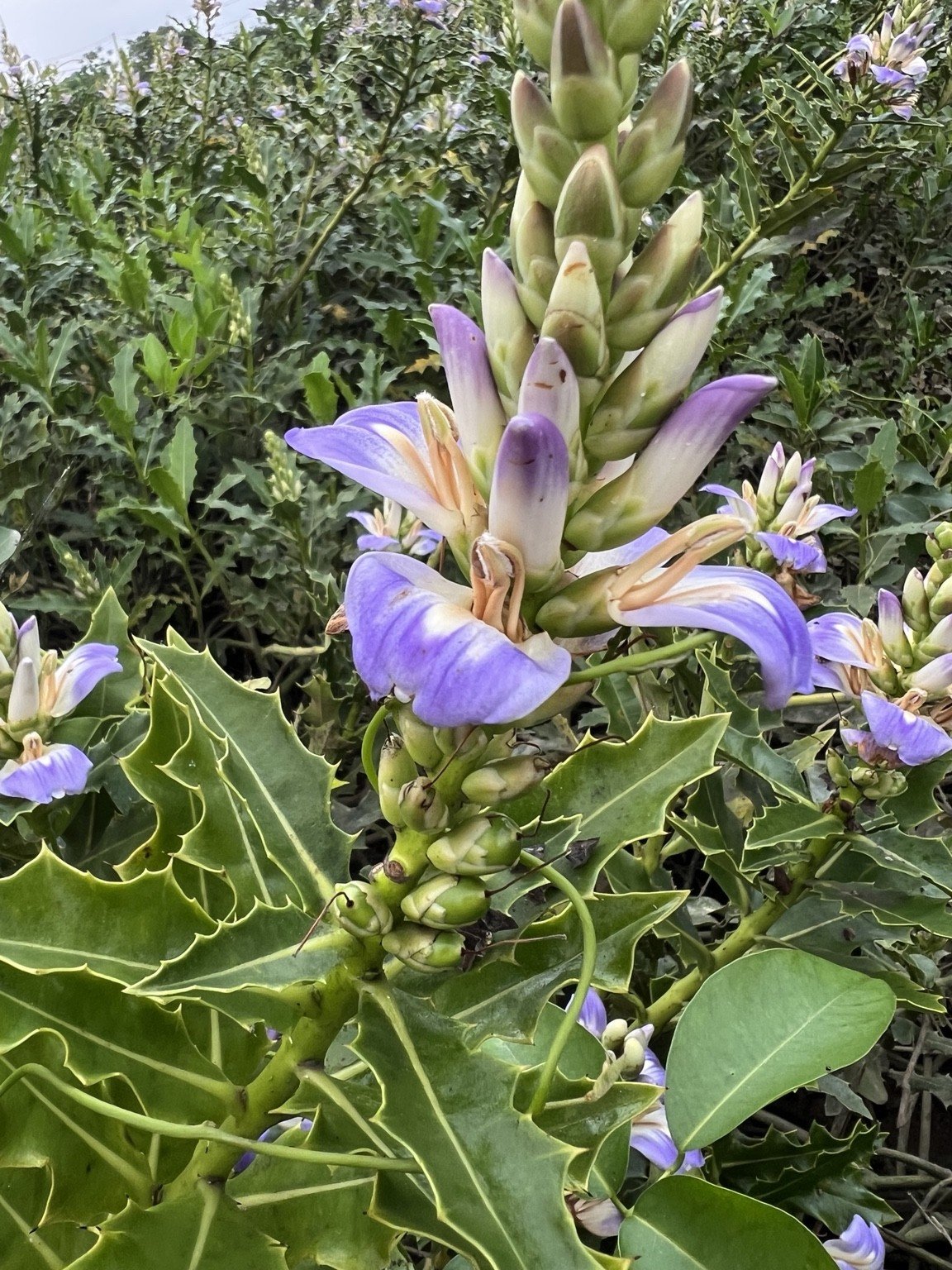
Acanthus ilicifolius is a mangrove-associated shrub distributed through tropical and subtropical Asia to the south-western Pacific. AAIRC keeps taxonomy, traditional use, laboratory findings and human evidence distinct—so every claim remains auditable.
View botanical identity →Research pathways
Accepted taxonomy, allied species, morphology and voucher-based authentication.
Explore identity → 02Historical records, regional materia medica and source-controlled human-use evidence.
Explore history → 03Phenylethanoid glycosides, benzoxazinoid-related chemistry and analytical certainty.
Explore chemistry → 04Seed biology, salinity, nursery production, field establishment and raw-material quality.
Explore cultivation →Evidence architecture
Traditional oral use is not clinical efficacy. Botanical occurrence of a constituent is not a finished-product concentration. Low acute toxicity is not proof of long-term safety.
Open Evidence DatabasePrimary evidenceOriginal studies, historical documents, authoritative taxonomy or verified specimens.
Reliable documented evidenceGovernment reports, academic monographs and clear ethnobotanical surveys.
Secondary or incomplete evidenceUseful records requiring primary-source follow-up.
Unresolved evidenceIdentity, attribution or citation limitations remain material.
Selected chronology
Volume II, pages 93–94, plate 48: the earliest locked botanical-historical anchor.
老鼠簕-associated record retained with explicit source-status boundaries.
Acanthus ilicifolius formally published in Species Plantarum 2:639.
Evidence, references and original field imagery organised in one evolving research system.
Identity · history · chemistry · safety · cultivation
Research monograph framework
The 19-chapter framework connects botanical identity, historical use, phytochemistry, safety and cultivation to the evidence database and reference registry. Current chapter pages publish editorial scope notes; full referenced syntheses will follow source verification.
Current research focus
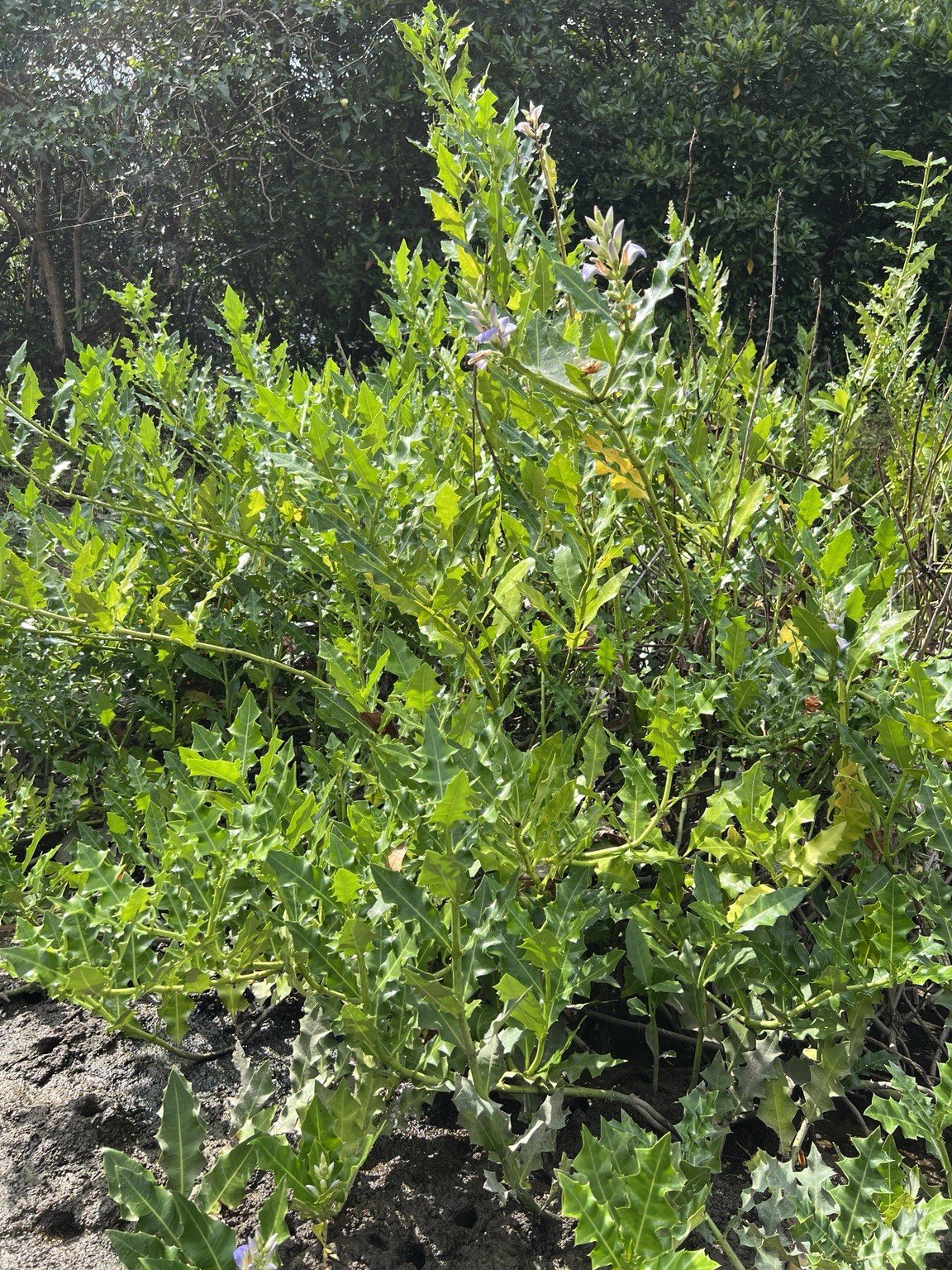
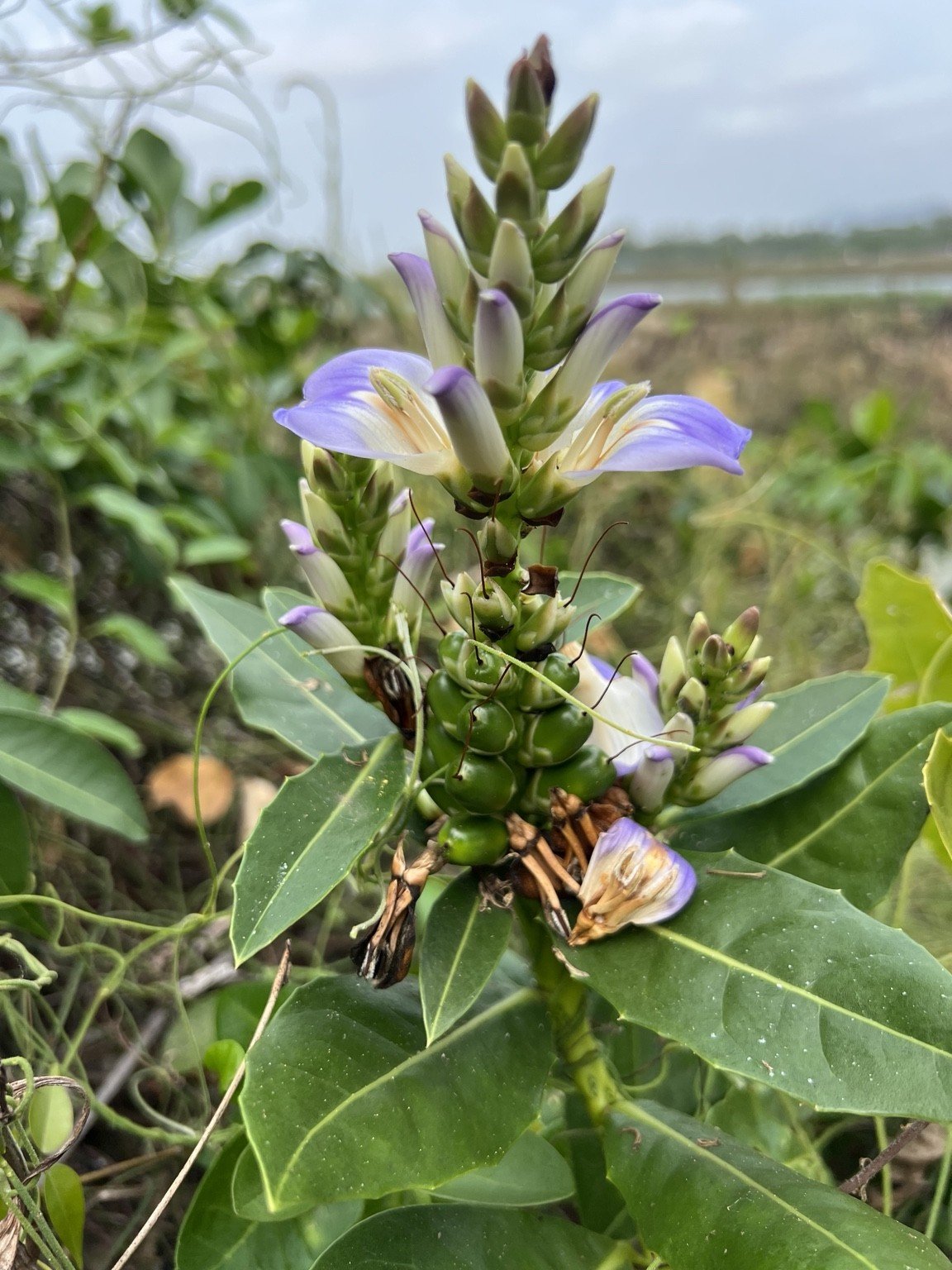
Documenting morphology, allied species and reliable identification features with original photography.
Separating documented human-use records from interpretation, inference and modern health claims.
Organising compound, analytical and safety evidence with visible source status and limitations.
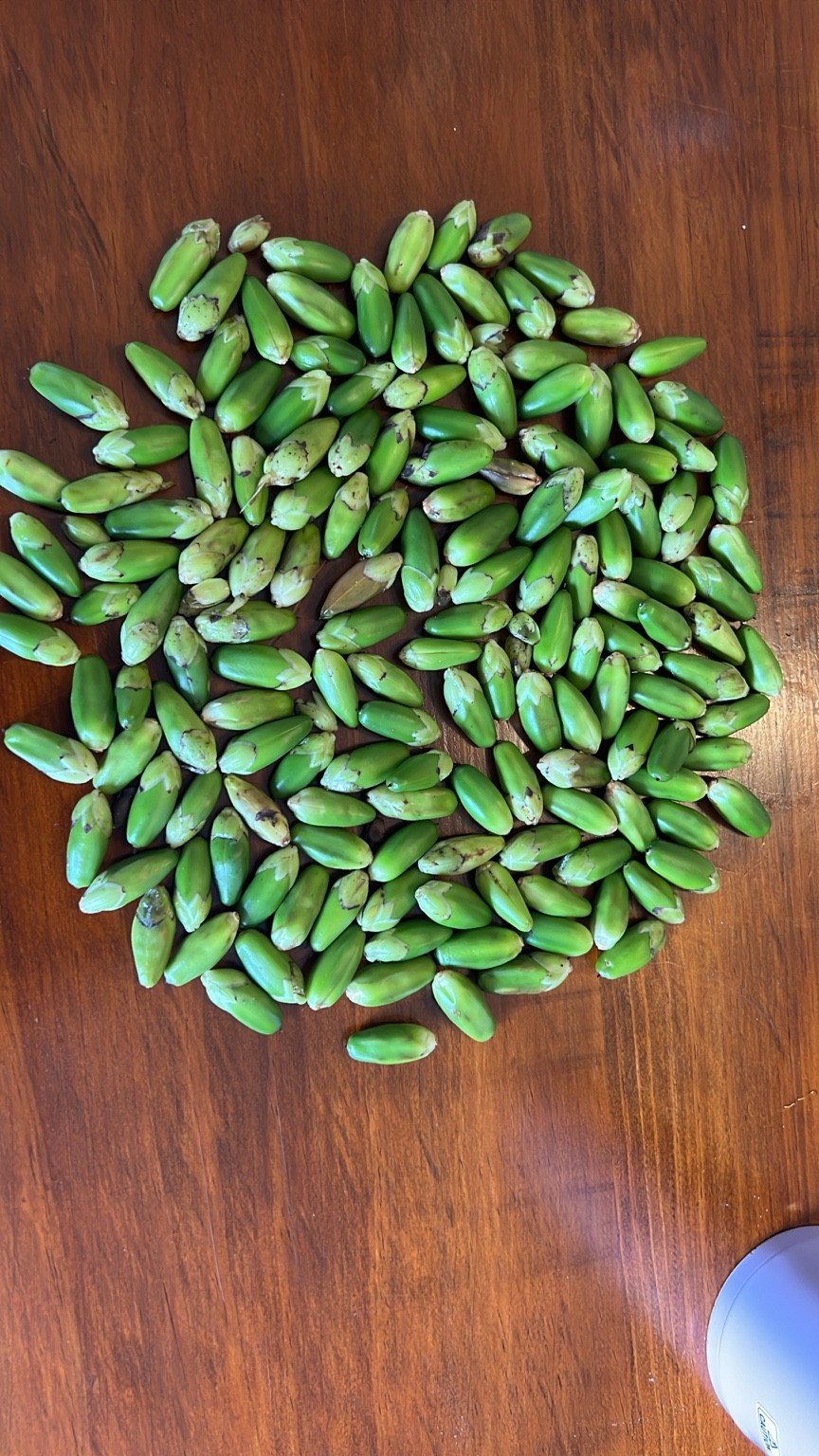
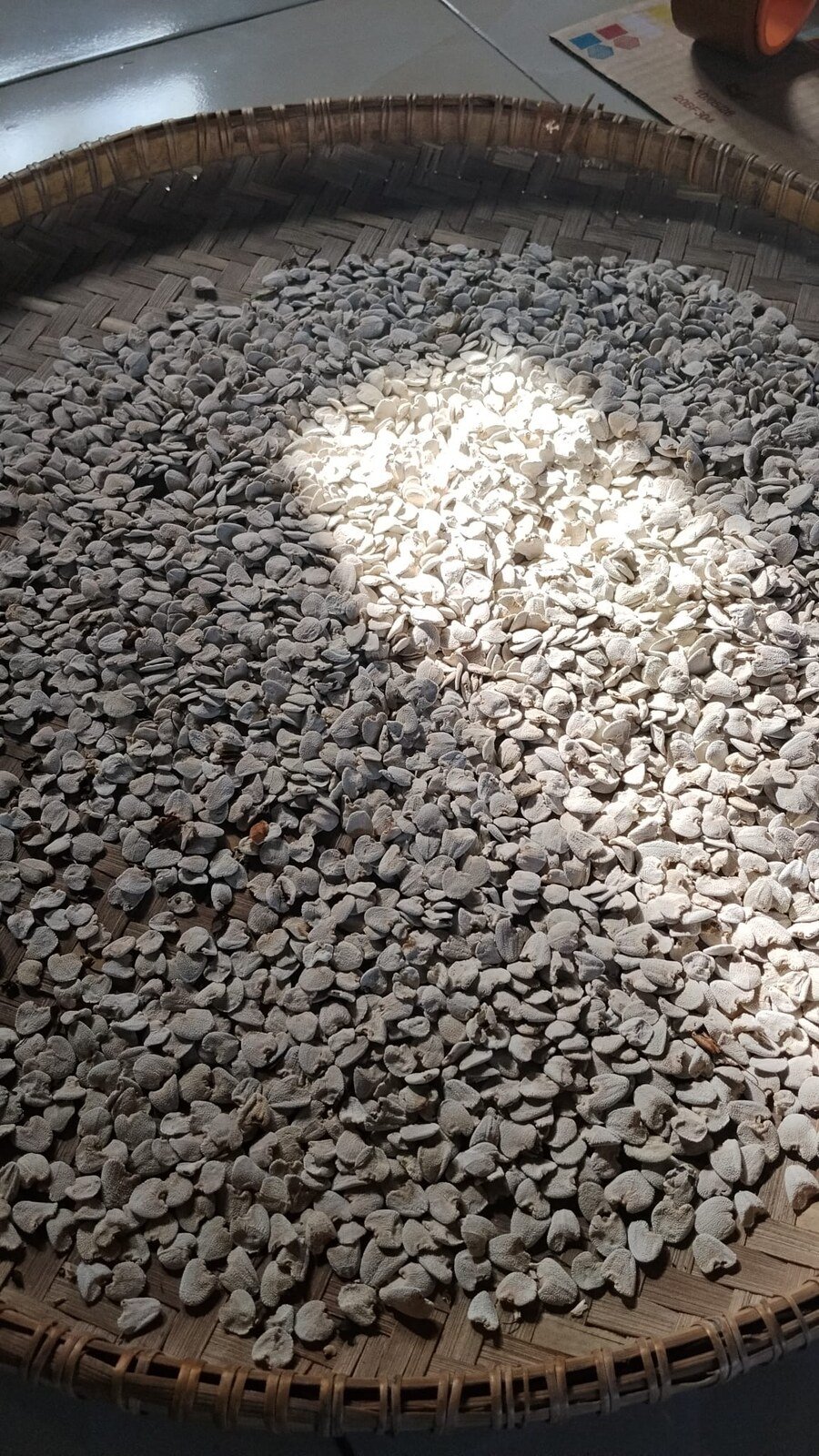
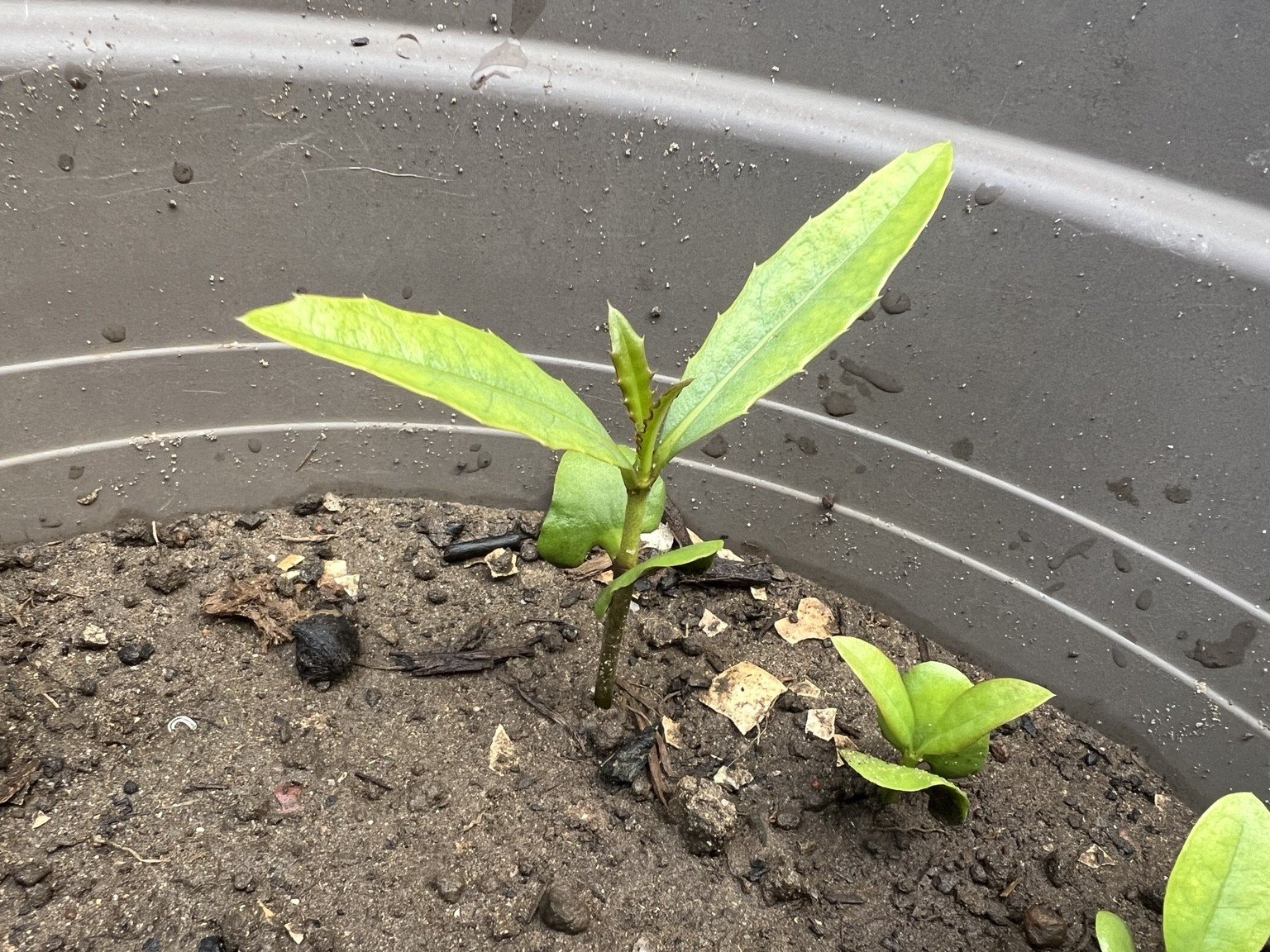
Building practical knowledge around seed biology, nursery establishment and future Australian cultivation.
Original field photography